Austrian Power Grid AG (APG) was designated as a critical infrastructure facility by a decision dated September 30, 2026, in accordance with the Critical Infrastructure Resilience Act (RKEG). As a result, APG is subject to a binding legal framework designed to further strengthen the resilience of its services and the infrastructure required to support them.
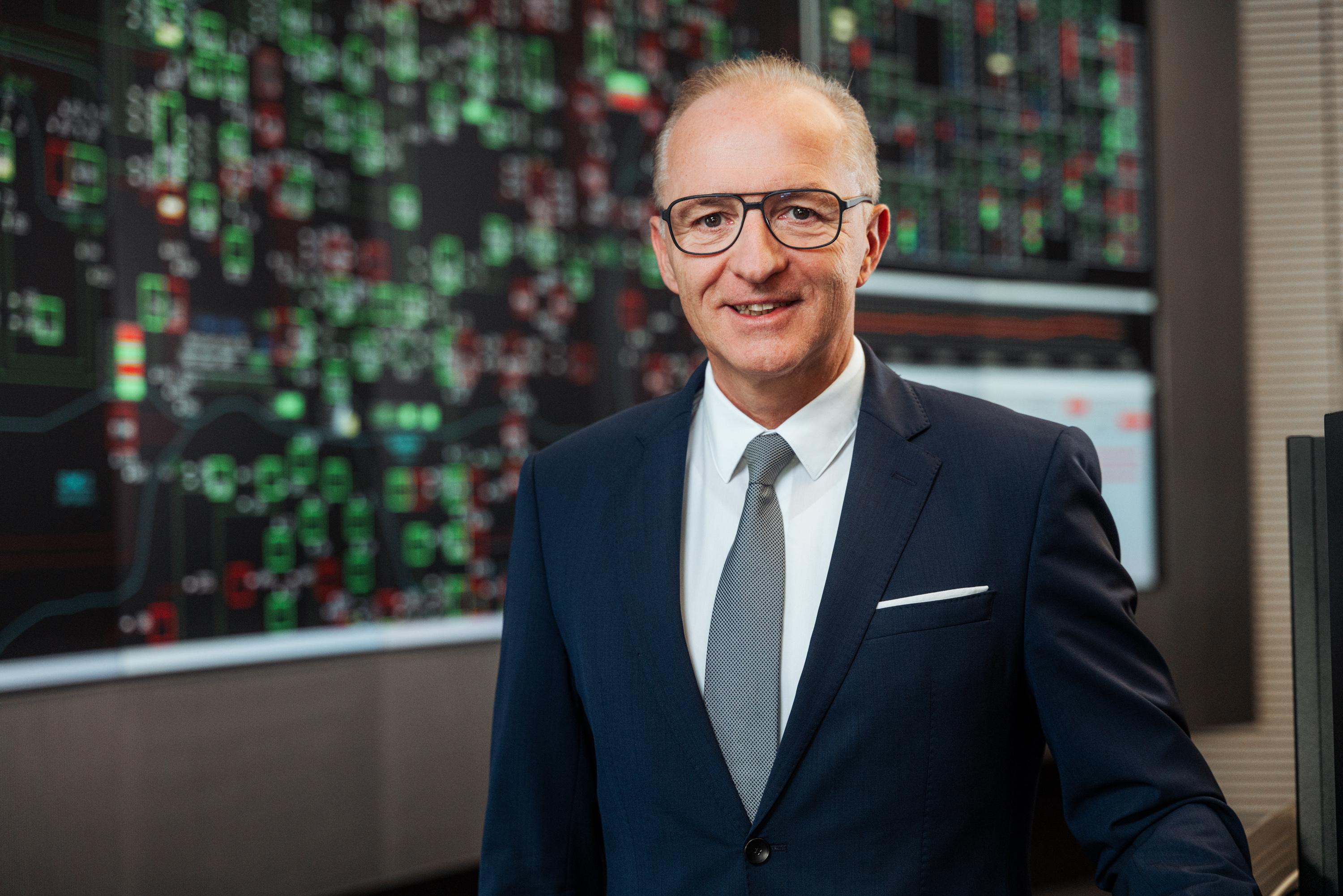
The RKEG takes a comprehensive, all-hazards approach: in addition to cyberattacks and physical attacks, it also takes into account natural disasters, technical failures, sabotage, espionage, supply chain and personnel disruptions, as well as dependencies on other critical facilities and essential services.“ For the first time, the RKEG establishes a uniform and binding framework for the protection and resilience of critical infrastructure. The goal is to ensure that a secure power supply can be provided as reliably as possible, even in the event of extraordinary incidents and disruptions,” explains Gerhard Christiner, APG’s spokesperson and Chief Technical Officer. For APG, this classification means further systematic safeguards for its approximately 7,000-kilometer power grid, including its 67 switching stations and substations. The focus includes, among other things, protection against sabotage, vandalism, and physical attacks, as well as climate resilience. This includes comprehensive emergency plans for extreme weather events such as snow load, storms, or flooding.
Proven protective measures ensure maximum grid availability
The RKEG mandates, among other things, risk analyses and resilience plans for critical facilities. These specify which technical, organizational, and security-related measures are necessary to prevent incidents, limit their impact, and quickly restore operations.“Austria’s security of supply ranks among the best in the world, with a power grid availability of over 99.99 percent. This is the result of the daily dedication of our highly trained employees as well as proven protection and security measures,” emphasizes Christiner. APG already has comprehensive structures in place to maintain and rapidly restore its services under exceptional conditions. These include modern cybersecurity and physical security measures, weather and grid security forecasts, and ongoing coordination with relevant partners. Joint simulator training and regular crisis drills further strengthen the ability to respond in an emergency. With the RKEG, these measures are now being further developed within a uniform legal framework, regularly reviewed, and adapted to the changing threat landscape.
Common Framework Strengthens the Resilience of the Electricity Supply
“A secure electricity supply requires infrastructure that functions reliably even under difficult conditions. To achieve this, we must identify risks early on, keep an eye on various threats, and be able to act quickly in an emergency. The classification under the RKEG underscores our responsibility for Austria’s electricity supply and strengthens our holistic approach to resilience,” said Christiner.
The implementation of the RKEG is supported by the Federal Ministry Republic of Austria – Interior. Planned measures include consultations, early warnings, information on specific risks, as well as templates and recommendations for risk analyses and resilience plans. The goal is to sustainably strengthen the security of supply and the robustness of the Austrian power system.
About Austrian Power Grid (APG)
As independent transmission system operator Austrian Power Grid (APG) is in charge of ensuring the security of the electricity supply in Austria. With our high-performance and digital electricity infrastructure and the use of state-of-the-art technologies we integrate renewable energies and reduce the dependency on electricity imports, we are the platform for the electricity market, and we provide access to reasonably priced electricity and thus create the basis for Austria as supply-secure and future-oriented industrial and business location and place to live. The APG grid totals a length of about 3,500 km and is operated, maintained, and continuously adapted to the increasing challenges of the electrification of businesses, industry, and society by a team of approximately 1,000 specialists. 67 substations are distributed all over Austria and the majority is operated remotely. Thanks to our committed employees Austria had a security of supply of 99.99 percent also in 2025 and thus ranks among the top countries worldwide. Our investments of 680 million euros in 2026 (2025: 595 million euros, 2024: 440 million euros, 2023: 490 million euros) are a motor for the Austrian economy and a crucial factor in reaching Austria’s climate and energy targets. Until 2035 APG will invest a total of approximately 9 billion euros in grid expansion and renovation projects.
Press contact

Martina Kukulka