

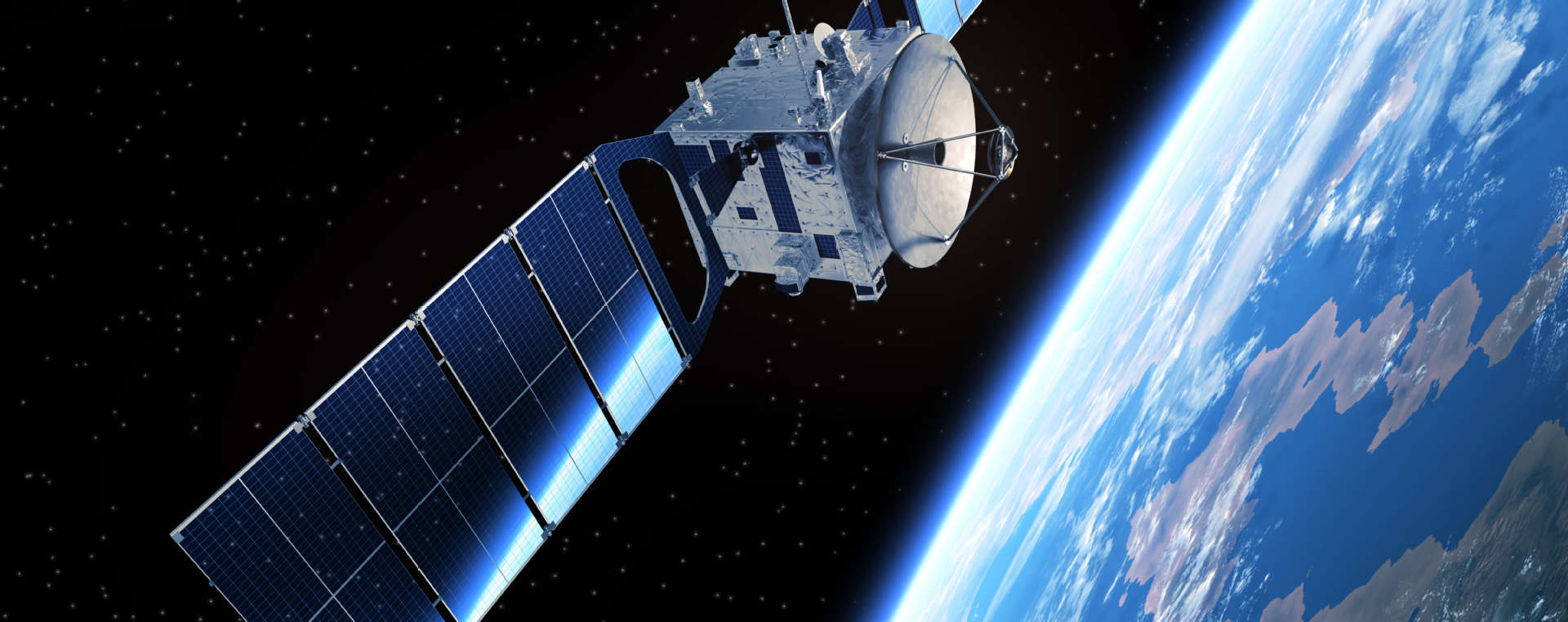
Satellite Technology in the Service of grid operators
Detect changes to power pylons, power lines, and substations early on
InSAR technology (Interferometric Synthetic Aperture Radar) makes even millimeter-scale movements visible
For grid operators, creeping landslides pose a major challenge, as they often go unnoticed for a long time and can have a significant impact on the reliability of the power supply in an emergency.
Satellites Monitor the Power Grid
With InSAR, APG relies on modern satellite technology to detect risks to power poles, lines, and substations at an early stage. This is where Interferometric Synthetic Aperture Radar (InSAR) technology comes into play: It uses high-precision radar data from space to reveal even the smallest movements in the millimeter range. This allows changes to power pylons and substations to be not only detected early but also monitored over extended periods of time. If InSAR detects anomalies, the affected power pylons can then be surveyed on the ground in a targeted manner.
Modern remote sensing makes it possible to better assess risks in grid operations, plan maintenance measures in a targeted manner, and further strengthen supply security through proactive monitoring. This makes a significant contribution to ensuring supply security and strengthening Austria as a business and living location.
Current Status Report Twice a Year
Following an intensive trial of InSAR technology on four overhead power lines spread across Austria, a partnership with AUGMENTERRA in this area has now been established. In the future, APG will receive an up-to-date status report for the entire grid twice a year.
TV Note: Report on InSAR at APG – Click here for the ORF 2 TV report: “New Cadastre to Protect Power Lines” – Mayr’s Magazine – Knowledge for All, aired October 16, 2026 – ORF ON
Further interesting use cases can be found in the thematic brochure available in the download section.