
Switching tests on a 123-kV vacuum circuit breaker
in search of alternatives to SF6
For the first time in the 110 kV grid
The F-Gas Regulation (EU 2024/573), which came into force in March 2024, stipulates that from 2028 (up to 145 kV) and from 2032 (above 145 kV), only SF6-free equipment may be put into operation. To date, SF6 has been and continues to be widely used in both gas-insulated switchgear (GIS) and outdoor installations (AIS) such as transformers and circuit breakers due to its excellent dielectric properties. At the same time, however, SF6 is also the most potent known greenhouse gas with a CO2 equivalent of 24,300, which was the motivation for the restriction.
With this technological change, reliability in real operation must be ensured. Special attention must be paid to vacuum technology, which is new to high voltage. Although the complete elimination of fluorinated nitriles is advantageous in this application, it is technically very challenging to transfer the approaches that have been tested at the medium voltage level to the high and extra-high voltage levels. This is because, unlike gas circuit breakers, the arc is not extinguished by flowing gas, resulting in a different ("harder") switching behavior. In addition to the switching characteristics, environmental influences must also be checked – in particular, X-rays may be emitted when the circuit breaker is open due to the bremsstrahlung effect in the vacuum tube.
Although manufacturers carry out tests in accordance with standards, uncertainties remain regarding their use in real grid operation and their long-term reliability. For these reasons, it is up to operators such as APG to gain practical experience with them in order to prepare for a safe and reliable rollout.
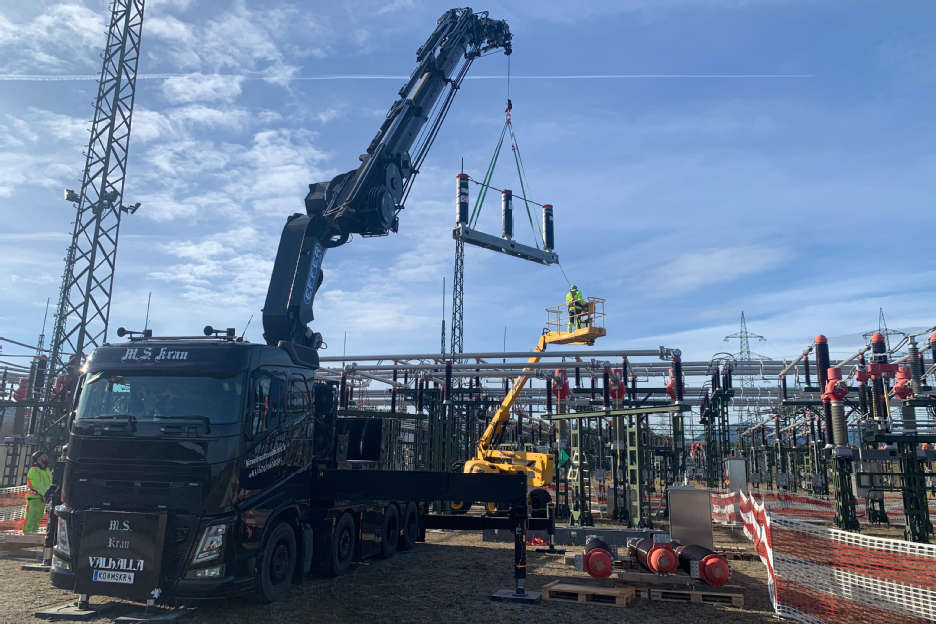
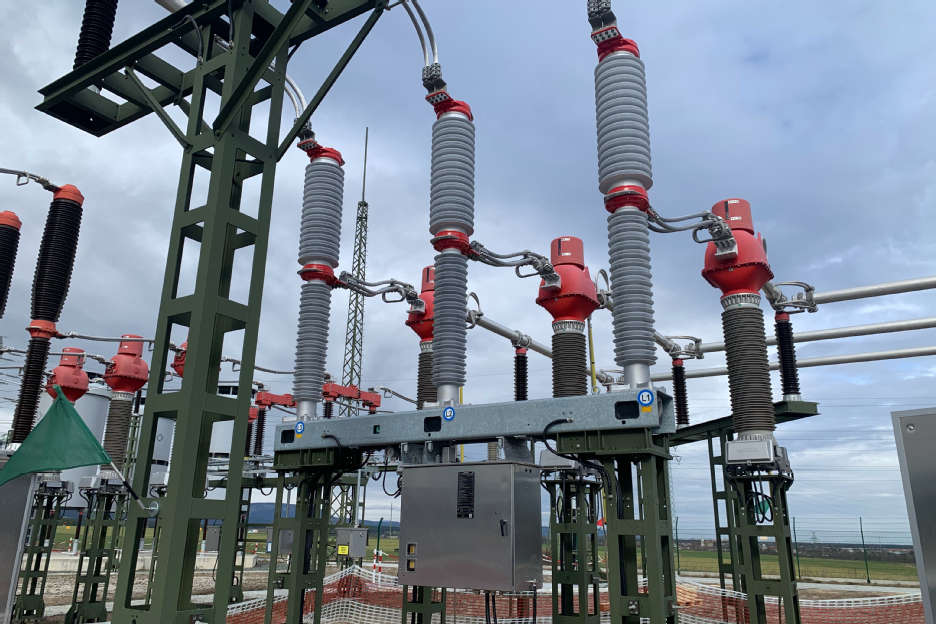
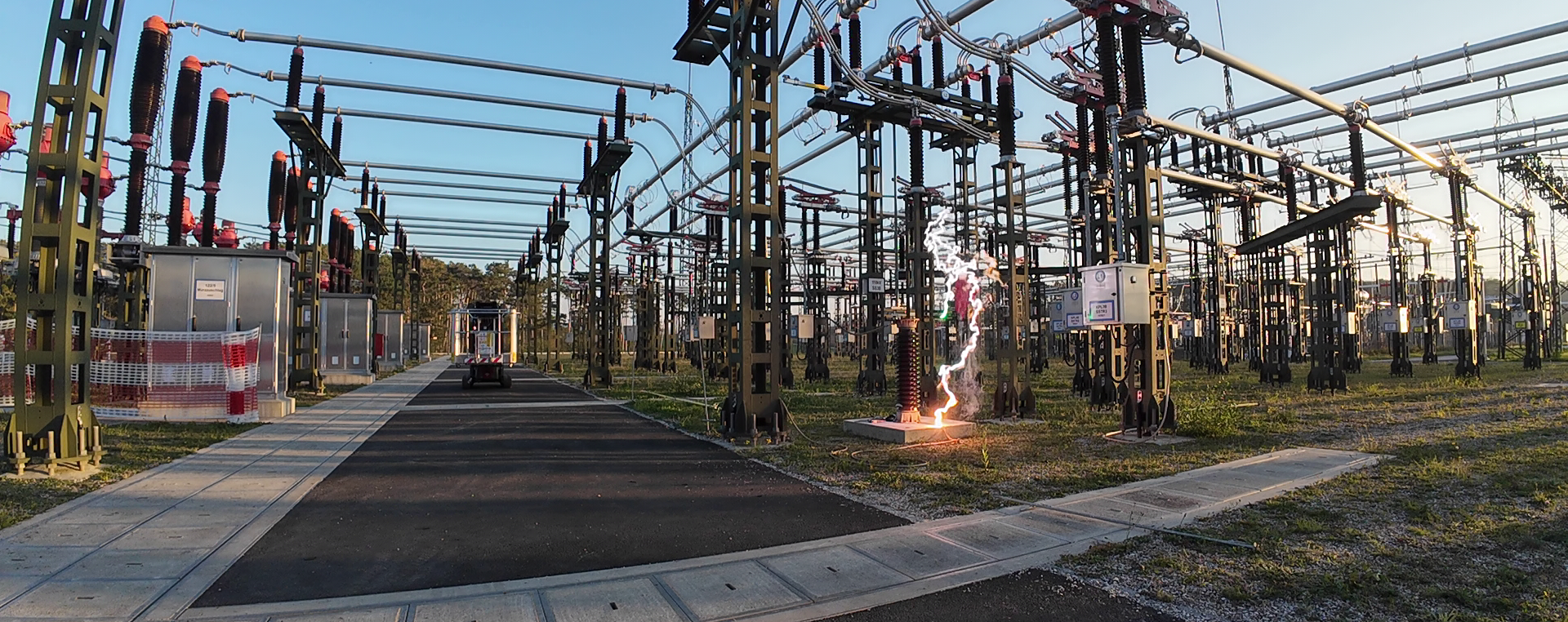
A 110-kV switchgear panel at the Ternitz substation was equipped with vacuum circuit breakers from Siemens Energy for this purpose. Detailed measurement results of the electrical quantities were recorded during the switching tests in fall 2024 and evaluated by the Technical University of Graz. Because these results are also relevant for other grid operators, they are being shared within Oesterreichs Energie and a cost-sharing agreement has been reached. Further information and a detailed evaluation of the results can be found here: