
APG Nature Conservation Conference 2026
The APG Nature Conservation Conference 2026 focuses on dialogue and new approaches
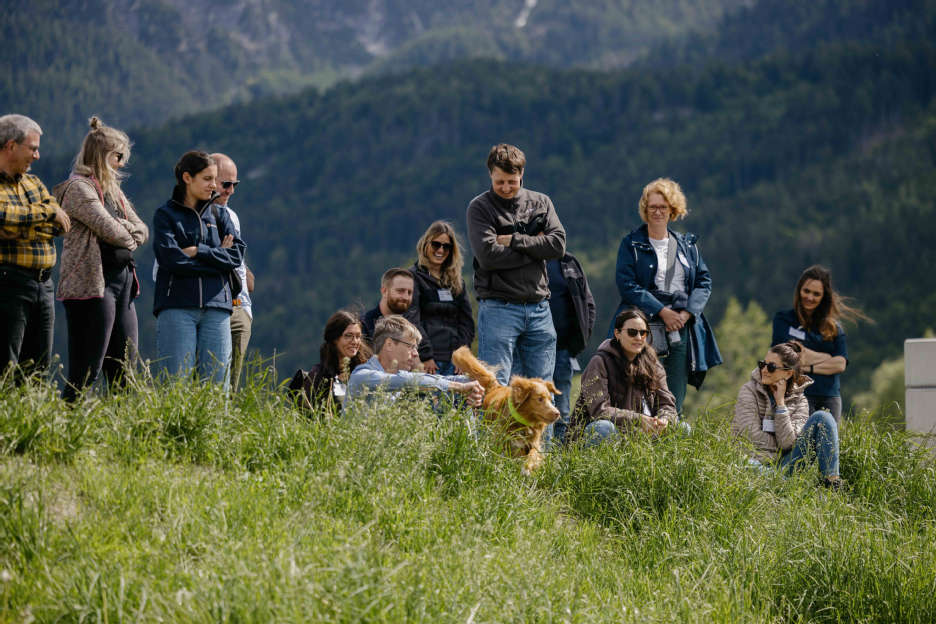
How can the energy transition, security of supply and biodiversity be effectively reconciled? Around 100 experts from government, academia, NGOs and the business sector addressed this key question at the Austrian Power Grid (APG) Nature Conservation Conference, which took place on 19–20 May in Lienz. The focus was on innovative approaches to ensuring that infrastructure sites can be operated safely and efficiently whilst simultaneously being ecologically enhanced.
‘Nature for a Limited Time’: Enabling voluntary engagement
Right at the start of the conference, it became clear that energy infrastructure and nature can complement one another, and that unused corporate sites can be far more than merely functional spaces – they offer the opportunity to create refuges, develop stepping-stone habitats and strengthen ecological corridors.
A key theme of the conference was the as yet relatively unestablished ‘Nature for a Time’ approach. This refers to the temporary ecological enhancement of sites without permanently restricting their subsequent lawful use. In particular, unused or under-utilised commercial sites can, in this way, temporarily create valuable habitats – for example, for flowering plants, pioneer species, insects, amphibians or specialised bird species. Companies must be able to trust that they will later be able to use these sites again in accordance with their operational requirements, without being hindered by nature conservation measures implemented in the meantime.
Practice, regulation and innovative management concepts
Other items on the agenda focused on the implementation of the EU Renaturation Regulation and specific practical examples. Among other things, management concepts were presented that enable infrastructure areas to be ecologically enhanced whilst being managed efficiently from an operational perspective.
One example is the maintenance of rights-of-way using sheep and goats: the use of grazing animals allows habitat structures to be specifically preserved or created, and enhances the diversity of flora and fauna. Another example of targeted habitat management is the construction of fish migration aids. Near-natural bypass watercourses enable fish to migrate safely whilst also creating new spawning and refuge areas.
Sniffer dogs & river widening
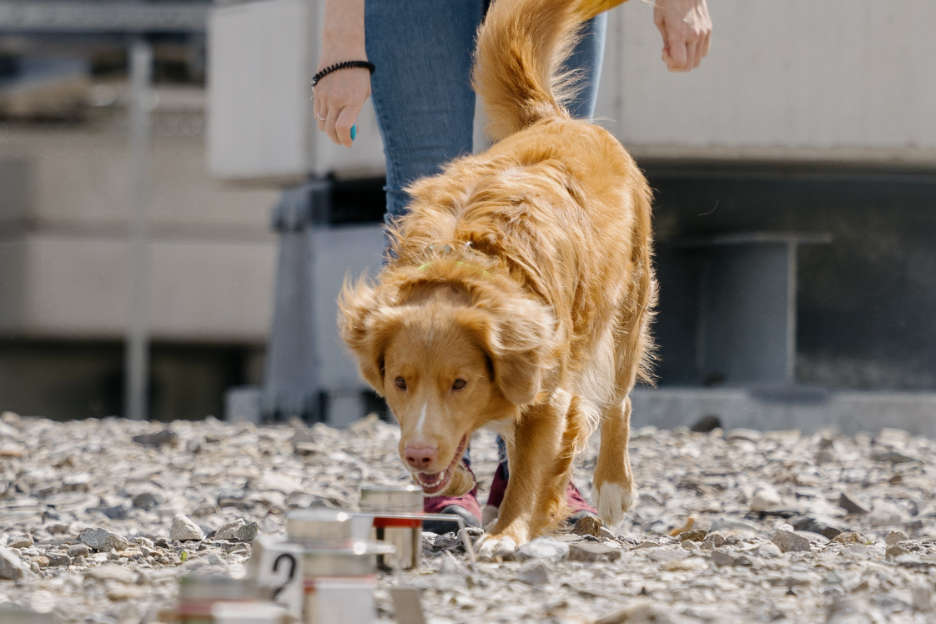
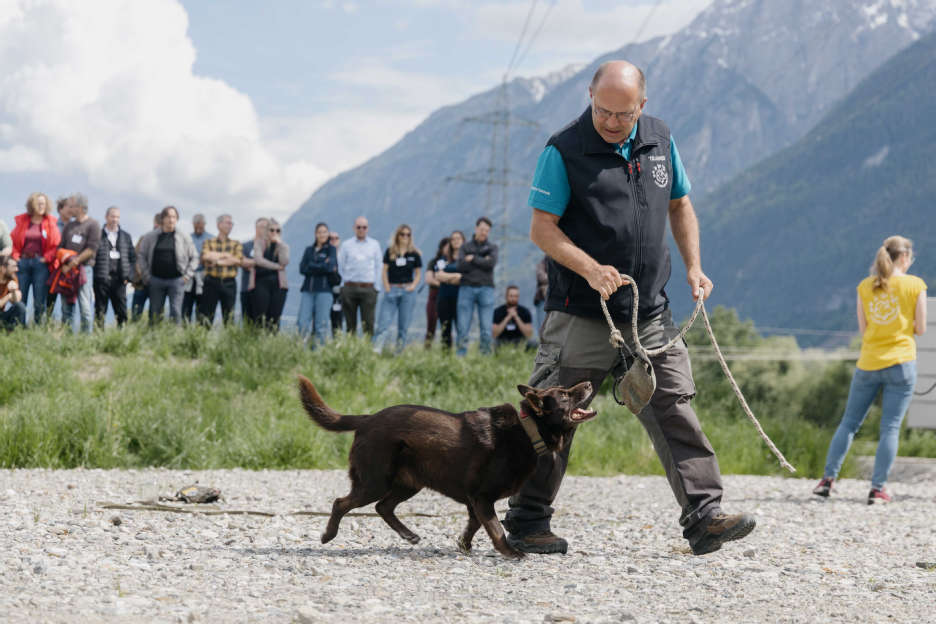
The programme also included two exciting field trips; the first showcased the work of the Naturschutzhunde association. Specially trained dogs are not only familiar from police work. They can also provide valuable services in nature conservation – for example, in searching for animal species, nests or tracks. This method enables particularly precise and efficient surveys and can help to investigate habitats with as little disturbance as possible. Monitoring and conservation measures offer great potential. Trained dogs can, for example, be deployed to track down bats when mapping routes.
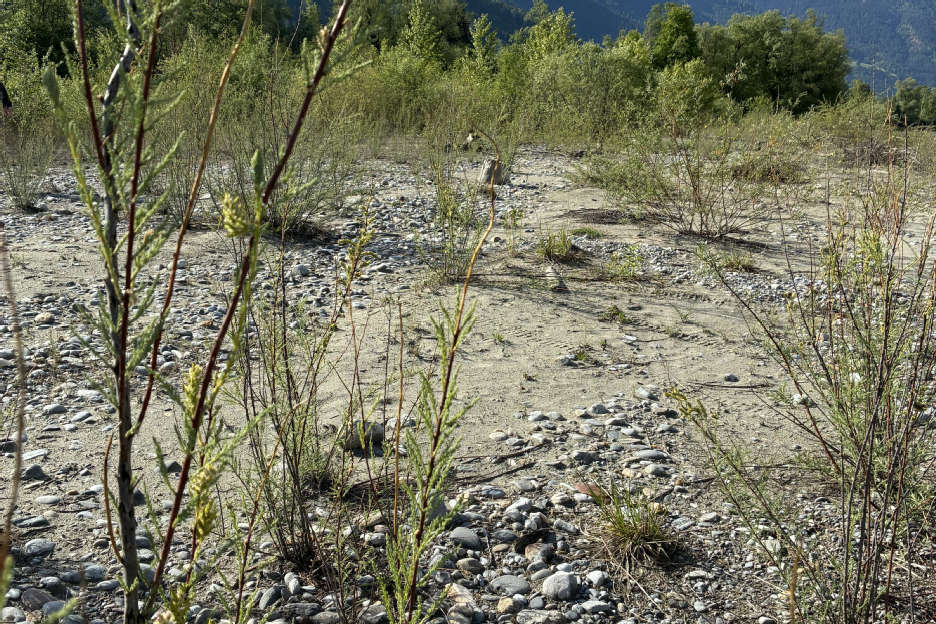
The second excursion took the group to the Obere Drau 2 European protected area in Obergottesfeld (Carinthia), which ranks among Austria’s most significant near-natural river landscapes. The Obere Drau is regarded as a prime example of successful renaturation and sustainable river basin management.